
The Challenge
From the outside, Social Imprints looks like a modern merch partner. Branded apparel. New hire kits. Event drops. Corporate gifting at scale.
Inside, the operational reality was far more complex.
Social Imprints works with about 1,800 vendors. Many are specialized. One provides blank apparel. Another does screen printing. Another handles embroidery. Another supplies premium electronics. Another manages warehousing, kitting, and shipping.
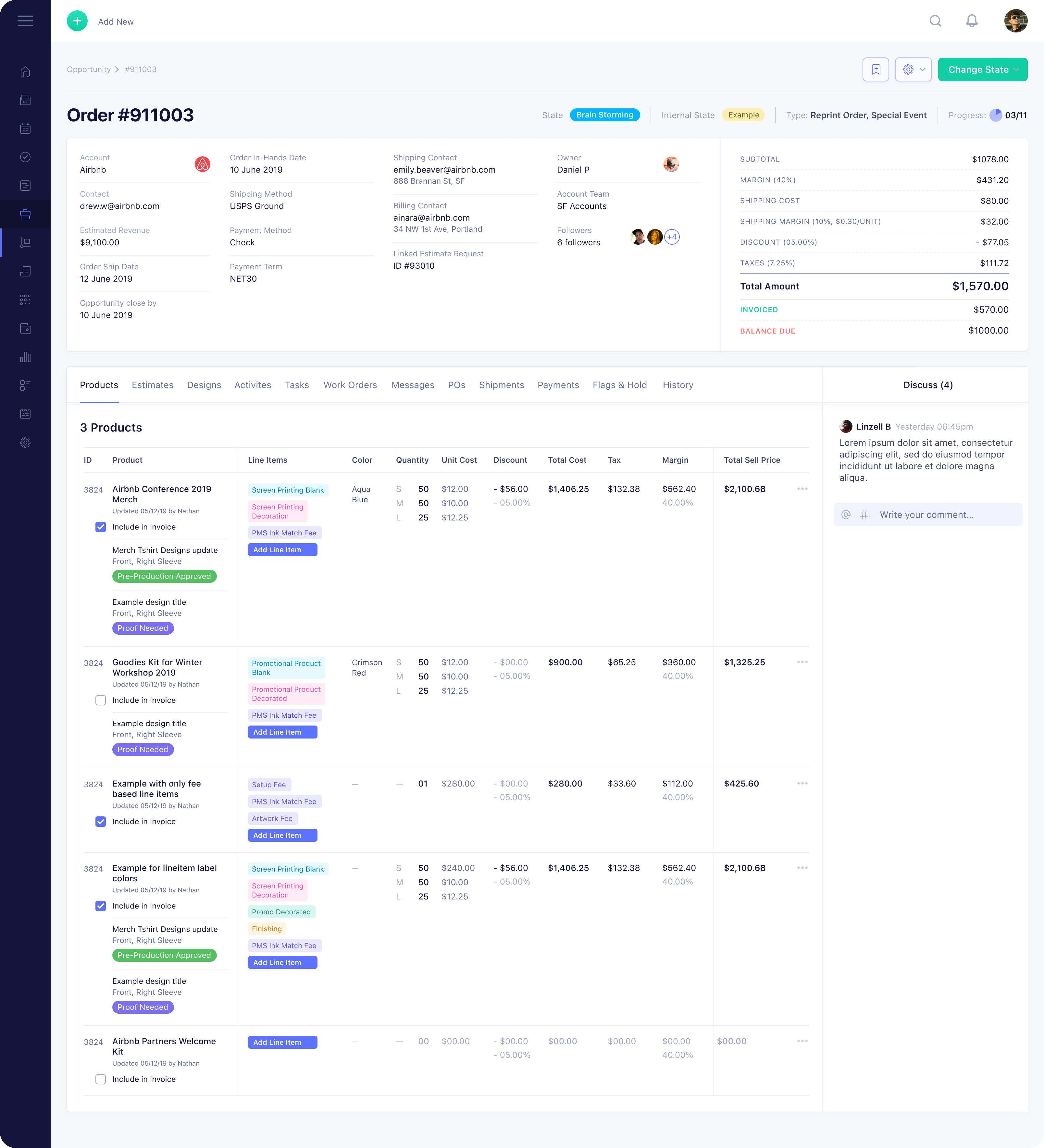
At a high level, most kits require multiple specialized vendors working in sequence. Each vendor has its own timelines, capacity limits, minimum order quantities, and communication habits. The challenge is not just the number of vendors, but the dependency between them. One delay cascades into the next step.
And this industry is not standardized. Many vendors are small shops. Communication often happens over phone and email. There is no universal API. There is no shared system of record.
Before automation, Social Imprints had a purchasing team whose job was to break down every order manually.
They would:
- Review the order
- Call the blank apparel vendor to confirm availability and ship date
- Call the printer to check capacity
- Coordinate embroidery timelines
- Align all items to arrive at the warehouse together
- Monitor shipment status across vendors
If anything changed, they had to adjust the entire chain.
Now multiply that by hundreds of orders per month.
The system was working, but it relied on human coordination at every step. It did not scale cleanly. It created risk. And it pulled smart people into repetitive orchestration work instead of higher value oversight.
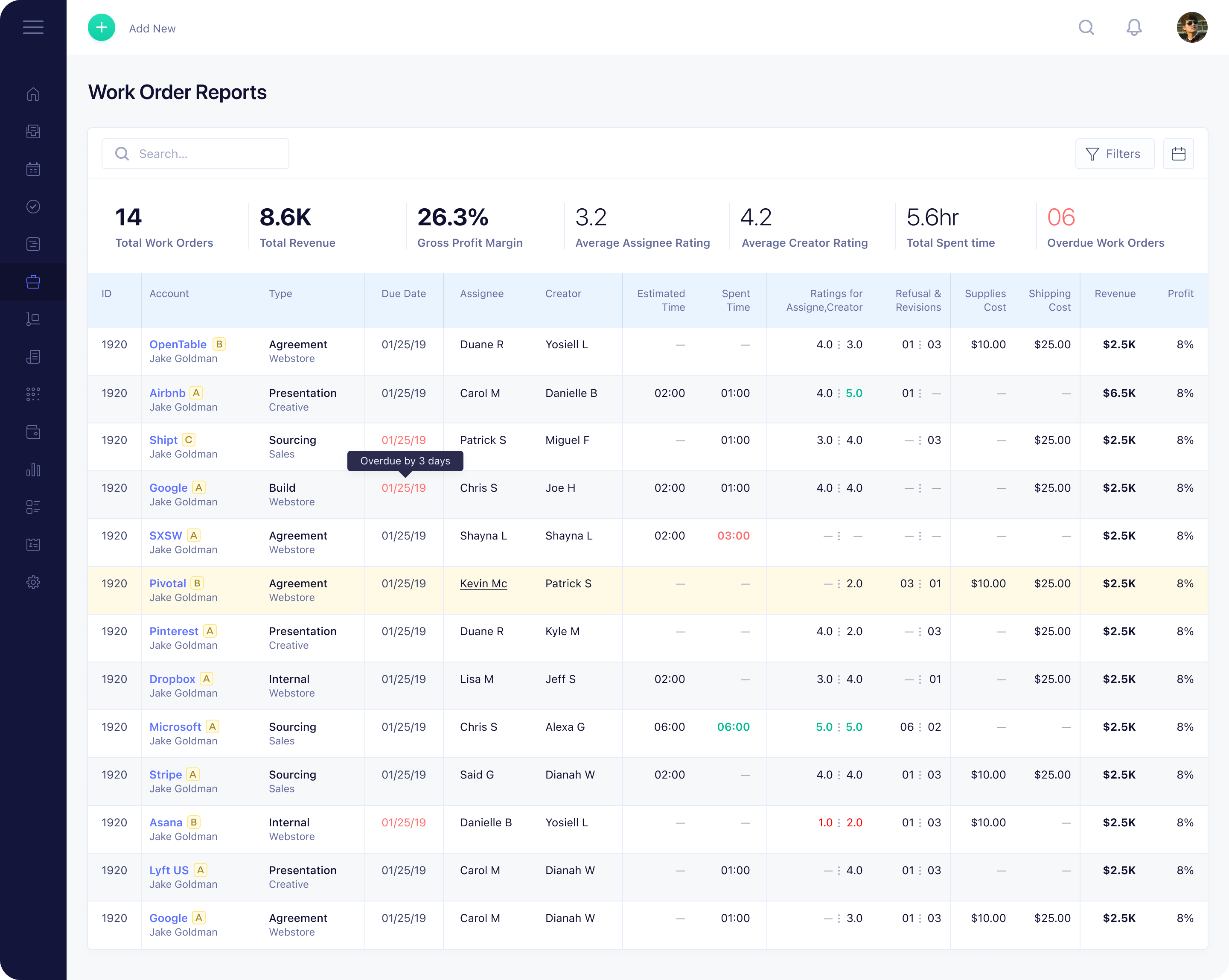
The Hidden Complexity of One Order
To see how this plays out in reality, look at a single large order.
Imagine a 500 person new hire kit that includes:
- A branded t-shirt with screen printing and embroidery
- A custom mug
- A keychain
- Premium headphones with engraving
The t-shirt alone may require:
- A blank apparel supplier
- A screen printer
- An embroidery vendor
Those shirts move in sequence. The blank supplier ships to the printer. The printer ships to the embroidery vendor. The embroidered shirts ship to a warehouse.
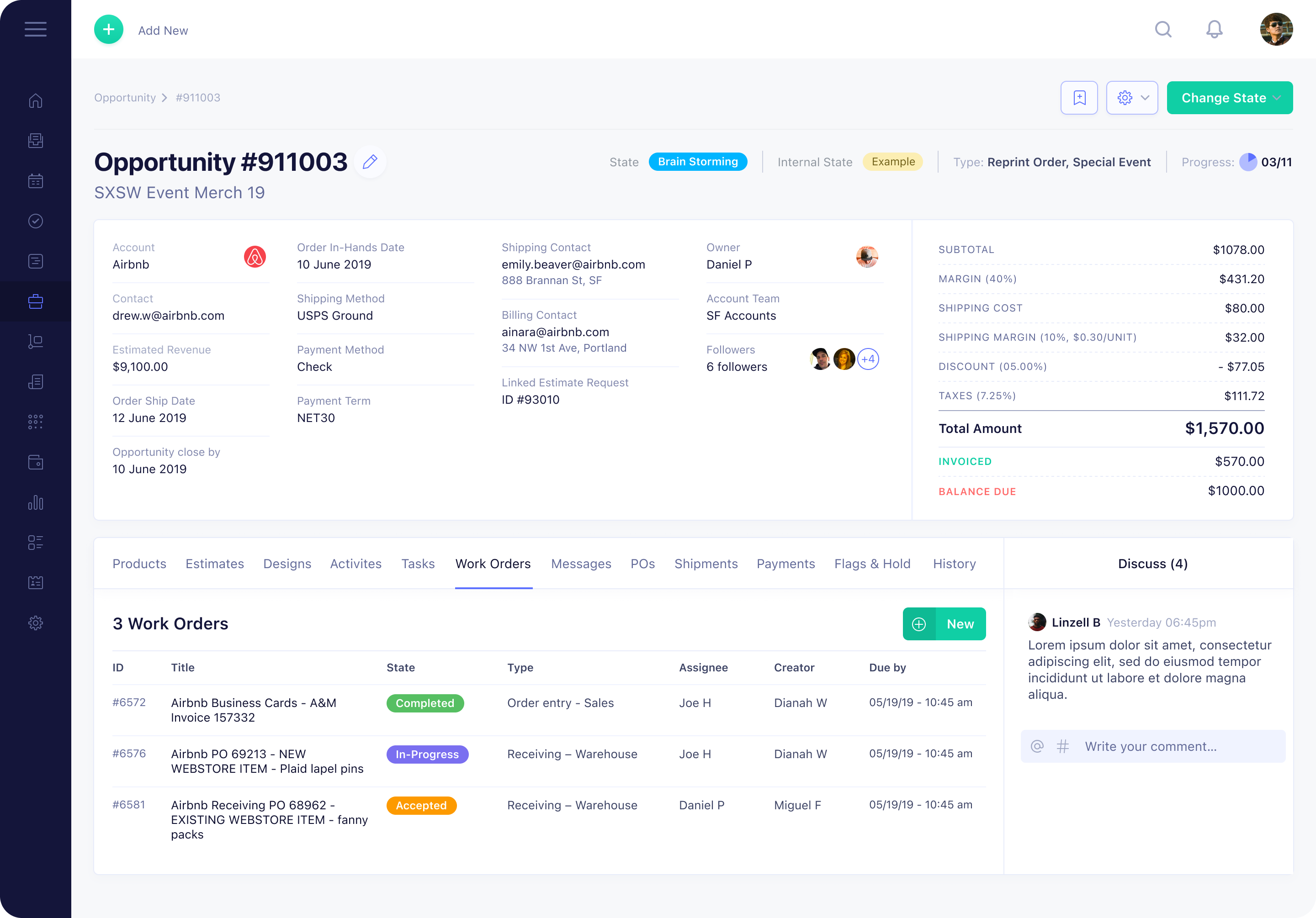
Meanwhile, mugs and keychains come from separate vendors. Headphones may come directly from a distributor and then move to a separate engraving partner.
Only once all items arrive can the warehouse begin kitting. And kitting is not just boxing items. It may require folding apparel in a specific way, arranging items with presentation material, placing everything into branded packaging, and then boxing that kit for shipping.
If the client wants split shipping to 500 addresses, that is another layer of coordination.
Now introduce real world variables that turn coordination into risk:
- Printing happens in batch sizes. Overruns and underruns occur.
- A vendor runs out of stock.
- A shipment is partially lost.
- A rush order needs to ship by Friday.
- A vendor misses a deadline.
At this point, the issue is not complexity. It is a chain reaction risk. One break in the sequence can stall the entire rollout.
That is what the system needed to absorb.
Key Decisions
1. Shift Vendor Selection Upstream
The first decision was not pure automation. It was a process redesign.
Historically, vendor selection happened after the sale. The purchasing team would deconstruct the order and decide which vendor to use.
We moved vendor intelligence upstream.
We reclassified vendors by the services they provide across more than 50 service categories. Instead of presenting a list of 1,800 vendors, the system surfaces only those relevant to the specific product or service.
We also introduced vendor preference logic. If a vendor is typically used for a certain product type, it appears at the top of the list. Account managers still type the vendor name and retain control. But the system does the legwork to surface the right options.
This preserved human judgment while reducing cognitive load.
2. Automate Purchase Order Generation
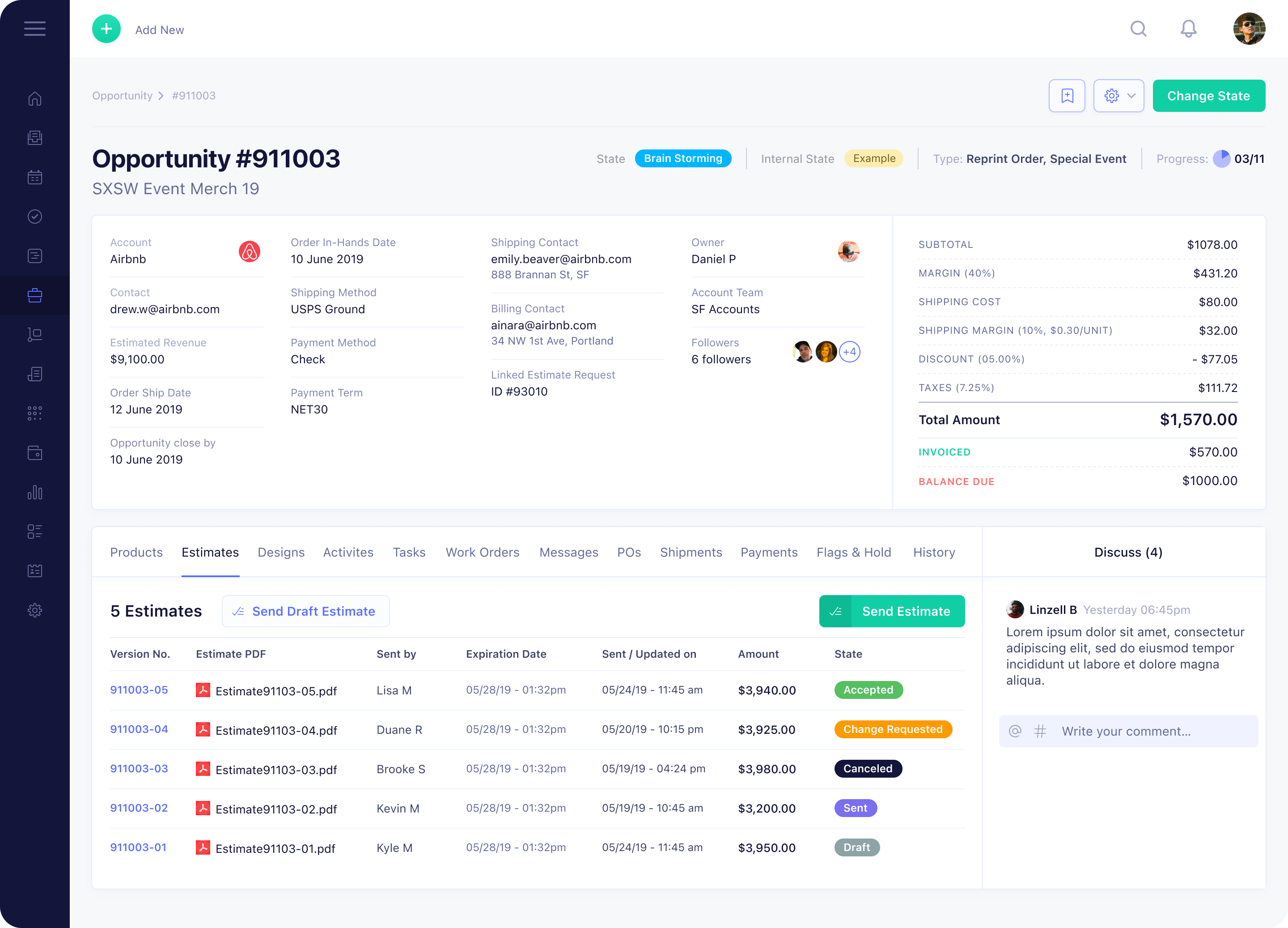
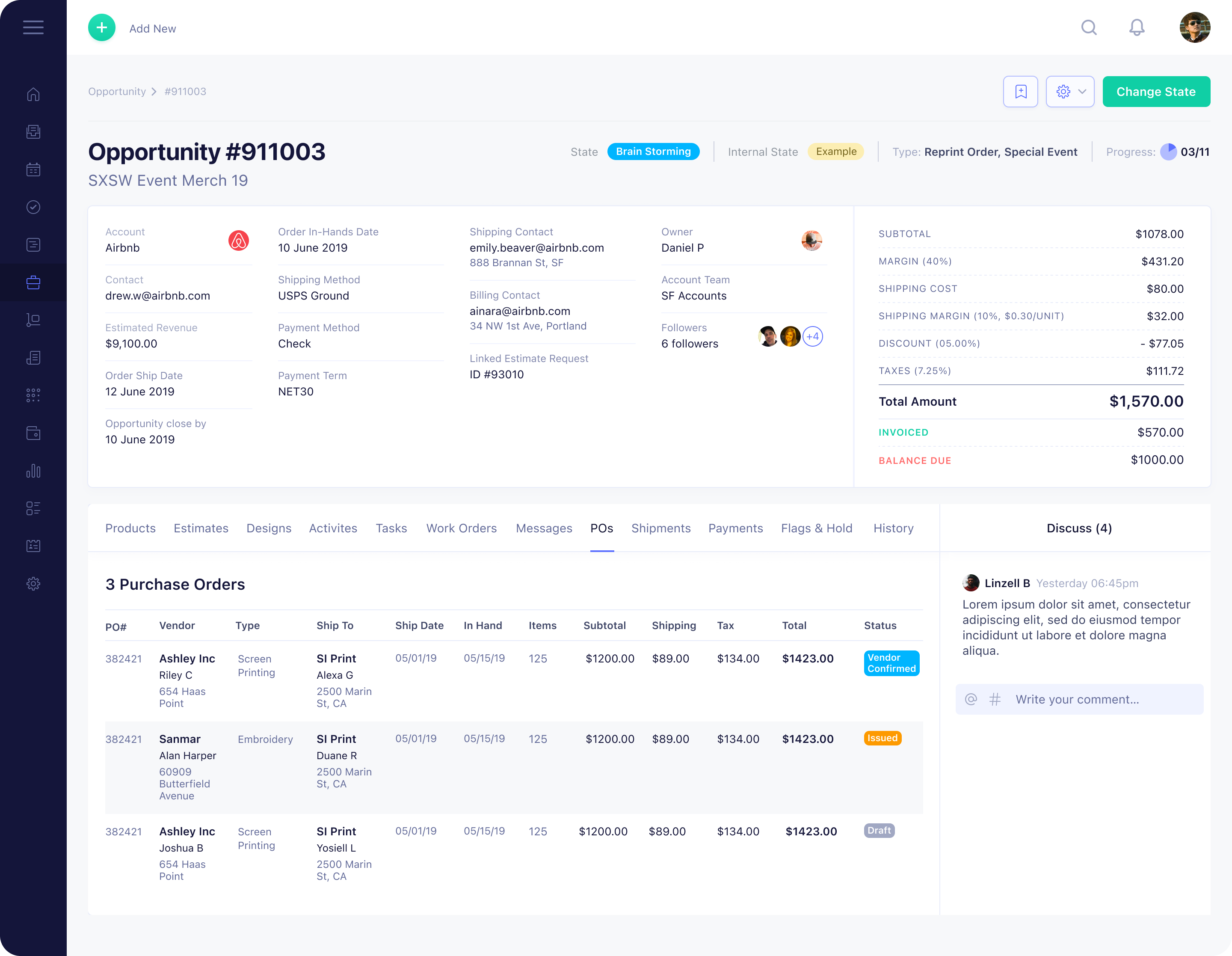
Once vendor selection is captured, the system generates purchase orders automatically.
It scans the master order, splits it into vendor specific components, and groups items where possible.
For example:
- All blank apparel items from the same vendor are combined into one PO.
- Printing tasks generate separate POs to the printer.
- Embroidery tasks route to the embroidery vendor.
This replaced manual breakdown and PO creation. Instead of four or five purchasers actively managing orders, one person now monitors the flow.
The role shifted from operator to overseer.

3. Build a Vendor-Aware Rule Engine
Behind the scenes, orchestration is powered by configurable business rules. If a vendor is expected to ship on a certain date, the system:
- Sends reminders in advance
- Flags late shipments
- Notifies internal teams
- Logs status updates
If a vendor misses a deadline, the order is flagged and bubbled up. Internal teams can intervene, override, or update status.
The system does not assume perfect behavior. It anticipates delay and failure.
4. Accept Industry Constraints
A full API-driven integration across 1,800 vendors is unrealistic today. Many vendors are small operations.
Instead of forcing a rigid portal workflow, we designed automation around email notifications, status tracking, and internal override capabilities.
If a vendor does not update status in the system, internal users can log the update and maintain continuity.
This hybrid model balances automation with operational reality.
What Changed
The impact was structural.
The purchasing team no longer manually decomposes every order. Automated PO generation replaced repetitive coordination work.
Vendor selection became guided instead of memory based.
Deadlines and SLAs are monitored by the system rather than by individual follow-ups.
Operational risk surfaced earlier.
Most importantly, the system now supports scale. Whether the order is for 50 kits or 500, the orchestration logic remains consistent.
The client sees a single clean order. Behind the scenes, the platform coordinates dozens of moving parts.
insert-stats
The Lesson for Growing Brands
Vendor orchestration is not just an operational problem. It is a business design problem.
If you rely on human memory and phone calls to coordinate a multi-vendor supply chain, growth will expose your weak points.
The key lesson is this: redesign the process before you automate it.
Surface vendor intelligence upstream. Define clear service categories. Encode deadlines and reminders as rules. Accept the limits of your ecosystem and design around them.
Automation does not mean removing people. It means shifting people from coordination to oversight.
If your supply chain depends on spreadsheets and phone calls, we can help you design a system that scales.
Book a 15-minute intro to review your current vendor flow and risk points.